
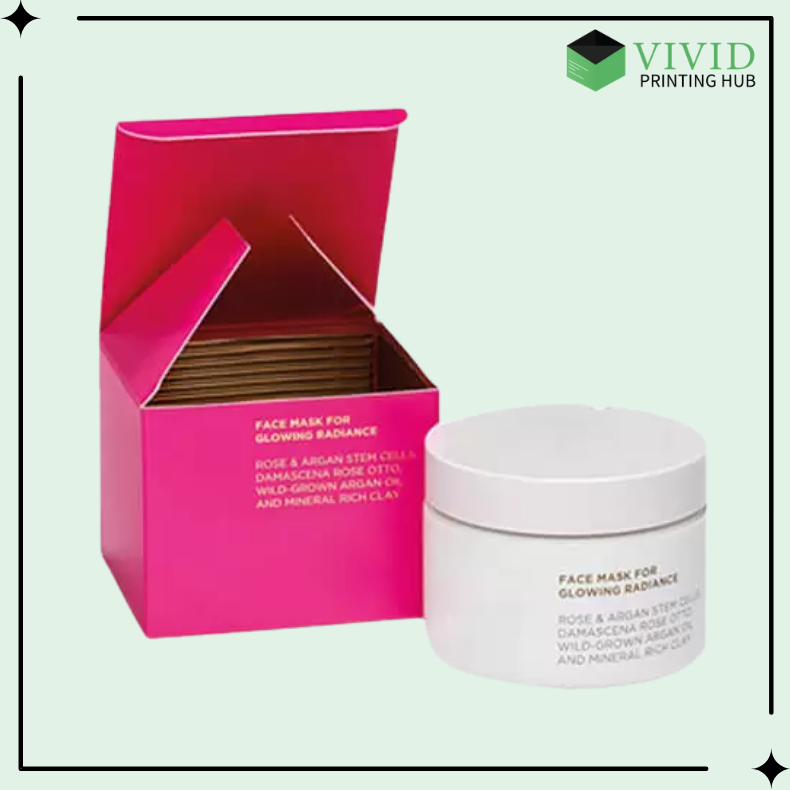


In a world where first impressions matter, the packaging of your product speaks volumes. At Vivid Printing Hub, we understand the significance of making your brand stand out on the shelves. Our Custom Cream Boxes are designed to do just that. With creativity, precision, and a dash of innovation, we bring you the perfect packaging solution for your cream products. In this article, we’ll explore why our Custom Cream Boxes are a game-changer for your brand and how Vivid Printing Hub can help you create packaging that captivates.
Starting From:
$0.80 Original price was: $0.80.$0.30Current price is: $0.30.
Product SKU: vivid-00252323

| Box Style | Custom Made Boxes |
|---|---|
| Dimension (L + W + H) | All Custom Sizes & Shapes |
| Quantities | Minimum 50 Boxes |
| Paper Stock | 52pt to 90pt |
| Printing | CMYK, PMS, No Printing |
| Finishing | Gloss Lamination, Matte Lamination, Gloss AQ, Gloss UV, Matte UV, Spot UV, Embossing, Foiling |
| Included Options | Die Cutting, Gluing, Scored, Perforation |
| Additional Options | Eco-Friendly, Recycled Boxes, Biodegradable |
| Proof | Flat View, 3D Mock-up, Physical Sampling (On request) |
| Turnaround | 15-18 Business Days And Rush Order |
| Shipping | FedEx, DHL, UPS |
Your cream formulation took months to get right. The packaging around it should protect that work, not undermine it. At Vivid Printing Hub, we manufacture custom cream boxes engineered for real-world skincare needs: UV-blocking lamination matched to your active ingredients, box dimensions confirmed to your exact container, FDA-required label surfaces built into the artwork, and finishes calibrated to your brand’s retail price point.
We work with skincare startups, established cosmetic brands, contract manufacturers, and wholesale resellers across the USA. Whether you need 100 units for a new product launch or a coordinated multi-SKU wholesale program, our team handles the sizing, printing, and compliance details so you don’t have to.
MOQ from 100 units. Free complete design service. Free 3D proof before production. 10–12 business day turnaround (rush available). Free US shipping. 100% satisfaction guarantee.
Request your free custom cream box quote — same-day response.
“Custom cream boxes” covers at least seven distinct cream product categories — each with different container dimensions, active-ingredient sensitivities, and packaging priorities.
The highest-volume cream category. Typical primary packaging: glass or PP jar (30–100ml), pump bottle (50–100ml), or airless pump (30–50ml). Box format: tuck-end carton for standard retail, or a two-piece rigid box for a premium tier. Day creams often contain SPF compounds, vitamin C, or retinol — all sensitive to UV exposure through unprotected packaging.
The most concentrated, highest-price-per-gram cream format. Packaging is typically a very small jar (5–15ml) or airless pump (10–20ml), housed in a narrow-footprint micro tuck-end carton or small rigid box. Proportioning matters here — an oversized box makes a premium product feel cheaper.
Thicker viscosity, wider-mouth jar (30–80ml), standard tuck-end or premium two-piece rigid box. Oxygen exposure is the main concern, since many night cream actives (retinol, peptides, AHAs) are oxygen-sensitive — a tight-fitting lid reduces air cycling.
The largest-volume cream format: pump bottle (150–300ml), squeeze tube (100–200ml), or wide-mouth jar (200–400ml). Box format is a large tuck-end carton for retail or a rigid box for gifting. These are typically the tallest cream carton formats, often needing box heights of 180–220mm.
Elongated squeeze tube (30–75ml) in a narrow, tall reverse-tuck carton, proportioned for the tube’s narrow diameter (25–35mm).
A color-cosmetics and skincare hybrid, usually in a pump or squeeze tube (30–50ml). Needs both UV protection (SPF compounds) and color stability, since pigments degrade under light and heat.
The most UV-sensitive cream format on this list, and regulated as an OTC drug by the FDA — packaging must include a Drug Facts panel (see the labeling section below).
| Cream Container Format | Container Dimensions (approx.) | Recommended Box Interior | Box Style |
|---|---|---|---|
| 30ml face cream jar | 55mm Ø × 35mm H | 70 × 70 × 48mm | Tuck-end carton |
| 50ml face cream jar | 65mm Ø × 40mm H | 80 × 80 × 55mm | Tuck-end carton |
| 100ml face cream jar | 75mm Ø × 50mm H | 92 × 92 × 65mm | Tuck-end carton |
| 5–15ml eye cream pot | 40mm Ø × 25mm H | 55 × 55 × 38mm | Micro tuck-end |
| 15ml airless pump (eye cream) | 30mm Ø × 85mm H | 52 × 52 × 100mm | Narrow tall tuck-end |
| 75ml hand cream tube | 35mm Ø × 150mm H | 55 × 40 × 165mm | Reverse-tuck narrow |
| 150ml body lotion pump | 55mm Ø × 175mm H | 75 × 75 × 190mm | Tall tuck-end carton |
| 200ml body cream jar | 95mm Ø × 65mm H | 112 × 112 × 80mm | Large tuck-end carton |
These are interior measurements with standard clearance. Share your exact container dimensions and we’ll confirm the box interior before production.
Cream formulations contain actives that are sensitive to UV light, oxygen, and heat. The box is the last line of defense — but only when it’s specified correctly.
UV radiation drives oxidative degradation in several common cosmetic actives. Retinol converts toward compounds that lose potency and can increase irritancy. Vitamin C oxidizes and visibly yellows, which shoppers read as spoilage. AHAs lose exfoliant efficacy. Avobenzone-based SPF filters become photoinstable without a secondary UV barrier.
| Lamination Type | UV Transmission Reduction | Environmental Note | Best For |
|---|---|---|---|
| Aluminum foil laminated board | ~99% UV block | Not curbside recyclable | Maximum protection, pharma-grade |
| UV-blocking BOPP film | 80–90% UV block | Standard plastic laminate | Most common cosmetic cream UV spec |
| Metallized BOPP film | 85–95% UV block | Standard plastic laminate | UV + moisture barrier |
| Water-based UV-blocking coating | 40–60% UV block | Fully recyclable, compostable | Clean beauty brands |
| Standard matte aqueous coating | Under 10% UV block | Recyclable | Non-photosensitive formulas only |
We recommend UV-blocking BOPP as the minimum for retinol and vitamin C creams, and mandatory-grade protection (UV-blocking or metallized BOPP) for SPF and sunscreen products.
Standard folding carton board isn’t an oxygen barrier on its own — for oxygen-sensitive formulas, your primary container does the heavy lifting, while a tight-fitting rigid box lid adds incidental reduction in air exchange. Laminated cartons also resist humidity cycling far better than unlaminated board, which matters for pharmacy shelves and warm-climate retail.
The standard for round jar formats, with top and bottom flaps tucking in the same direction. Best for face cream jars, body cream jars, and eye cream pots.
Flaps tuck in opposite directions for stronger base security. Best for pump bottles, tubes, and airless pumps.
Base panels lock automatically at erection, with no hand-folding — ideal for high-volume, high-speed packing lines like mass-market moisturizers and body lotion.
A slim, tall carton (40–55mm wide, 120–200mm tall) built for squeeze tubes — hand cream, BB cream, and tinted sunscreen formats.
A die-cut window, covered with PET or recyclable film, that shows off the jar’s color, lid, or label. Most effective for premium and color-adjacent cream formats.
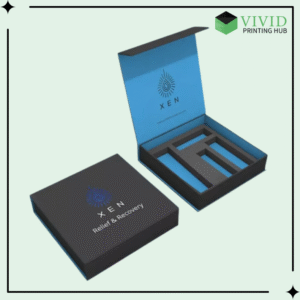
Chipboard construction with a lift-off lid revealing the jar in a foam or velvet interior. Reserved for prestige anti-aging launches, gift sets, and holiday programs.
For larger or shipping-adjacent formats, corrugated board is also available where extra transit protection is needed alongside standard folding carton or rigid options.
For brands that want packaging that matches a natural or eco-conscious position, we offer recyclable kraft and paperboard options, water-based inks, and coatings with no plastic film. These materials work across our full range of styles — not only the clean beauty tier — so any cream brand can request a recyclable specification.
Custom cream boxes sold in the US market must carry information required by federal regulation, incorporated directly into the box artwork.
For cosmetic creams with no drug claims: a product identity statement on the principal display panel, net content in US and metric units, a full INCI ingredient declaration in descending order, manufacturer/distributor name and US address, and a batch/lot code.
For sunscreen creams and SPF moisturizers, regulated as OTC drugs: a mandatory Drug Facts panel with active ingredients, uses, warnings, and directions, plus FDA monograph compliance for approved SPF compounds.
This is general guidance, not legal advice — consult an FDA regulatory specialist for your specific formulation claims.
We build all required label surfaces into the standard box artwork as part of our free design service, at no extra cost.
For natural, organic, and clean beauty cream brands, we recommend FSC-certified uncoated natural kraft or FSC-certified SBS board, soy- or water-based inks only, and aqueous matte coating — or a water-based UV-blocking coating (40–60% UV reduction) for brands with photosensitive actives who want to avoid plastic lamination. We can also provide FSC chain-of-custody certificates, material composition declarations, and ink safety data sheets for Sephora Clean, Ulta Conscious Beauty, Target Clean, and Credo Beauty vendor applications.
H2: Cream Brand Tier Calibration
| Cream Retail Price | Packaging Tier | Recommended Format | Exterior Finish | Interior |
|---|---|---|---|---|
| $5–$20 (mass market) | Standard retail | Tuck-end folding carton | Gloss UV lamination | None |
| $20–$50 (indie/clean) | Entry premium | Tuck-end, FSC-certified | Aqueous matte or soft-touch | None |
| $50–$100 (mid-prestige) | Premium retail | Tuck-end soft-touch matte | Soft-touch + spot UV or foil | Optional foam insert |
| $100–$200 (prestige) | Ultra-premium | Two-piece rigid box | Soft-touch matte + gold foil | Foam cavity or velvet |
| $200+ (luxury) | Luxury | Rigid box, magnetic closure | Leatherette + deep deboss | Full satin or velvet |
A $150 anti-aging cream in a gloss folding carton loses a meaningful share of its perceived value at first touch. Packaging should telegraph price tier before the consumer reads a word of copy.
Skincare routine sets — day cream, night cream, eye cream, or serum bundles — are among the highest-value cream retail opportunities for holiday and gifting occasions. Because containers in a set often vary in height, we engineer multi-depth foam inserts so every product sits visually level when the lid comes off, using a two-piece rigid or magnetic closure box in a 2×2 or 1×3 layout.
Full-color CMYK offset is standard for cream cartons at 500+ units, with PMS spot color available for exact brand-color consistency across multi-SKU ranges. Digital printing supports short runs from 100 units, ideal for launches and limited editions. Finish options include soft-touch matte (the standard for mid-to-ultra prestige tiers), gloss UV coating (mass-market shelf vibrancy), UV-blocking BOPP lamination, spot UV, gold/silver/rose gold foil stamping, embossing and debossing, and die-cut windows with PET or recyclable film.
We supply custom cream boxes at wholesale pricing for brands, contract manufacturers, distributors, and resellers. Our minimum order is 100 units, with better per-unit pricing at 500, 1,000, and 2,500+ units. For DTC brands running multiple cream SKUs, we offer coordinated range programs — every SKU produced in a single run for consistent color across your full line. Reseller and distributor accounts get dedicated pricing; contact our team to set one up.
MOQ: 100 units. Standard turnaround: 10–12 business days from artwork approval, with rush production available for launch and seasonal deadlines. Volume tiers: 100 / 500 / 1,000 / 2,500+ units. Free US shipping on qualifying orders. Free 3D digital proof with container-in-box visualization. Free FDA label surface design, including principal display panel, INCI label, and Drug Facts panel placement for SPF products. 100% satisfaction guarantee.
We specify UV-blocking lamination matched to your cream’s active ingredient profile before production commitment. We calculate your correct box interior from your container’s diameter and height. We build FDA-required label elements into the artwork as standard, not as an afterthought. We provide full clean-beauty documentation for retailer vendor programs. We advise on brand-tier packaging calibration so your box matches your price point. And every order includes free design service, a free 3D proof, and a 100% satisfaction guarantee.
Q: What size box do I need for my cream jar? A: It depends on your jar’s diameter and height. A standard 50ml face cream jar (about 65mm diameter × 40mm height) needs a box interior of roughly 80 × 80 × 55mm; a 100ml jar needs about 92 × 92 × 65mm; a 15ml eye cream pot needs about 55 × 55 × 38mm. Share your exact dimensions and we’ll confirm the interior size, including clearance for a foam ring insert if needed.
Q: Do cream boxes need UV-blocking lamination?
A: If your cream contains retinol, vitamin C, AHAs, or SPF compounds, yes — these actives degrade under UV exposure in unprotected packaging. UV-blocking BOPP film cuts UV transmission by 80–90% and is the standard spec for photosensitive cream formulas. Clean beauty brands avoiding plastic film can use a water-based UV-blocking coating instead, at 40–60% UV reduction.
Q: What is the minimum order for custom cream boxes?
A: Our minimum order is 100 units across all cream box formats, from micro eye cream boxes to large body lotion cartons, with better pricing at 500, 1,000, and 2,500+ units. We also support coordinated multi-SKU range programs for DTC brands and wholesale pricing for resellers and distributors.
Q: What information is required on cream box packaging for US sale?
A: A product identity statement, net content in US and metric units, a full INCI ingredient list, and your manufacturer or distributor name and US address. Sunscreen creams and any product with SPF claims also need a full FDA Drug Facts panel. We design all of this into your artwork as part of our standard free design service.
Q: What’s the best packaging for a natural or clean beauty face cream?
A: FSC-certified uncoated natural kraft exterior, soy- or water-based inks, and aqueous matte coating — or a water-based UV-blocking coating if your formula contains photosensitive actives like vitamin C or retinol. We can also supply FSC chain-of-custody certificates and ink safety data sheets for clean beauty retailer vendor programs.
Q: What packaging is right for a prestige anti-aging cream at $150+ retail?
A: A two-piece rigid box or magnetic closure hinged box, typically 2.0–2.5mm chipboard with soft-touch matte lamination, gold foil branding, and a foam cavity or velvet interior. For retinol or vitamin C formulas, we recommend metallized or UV-blocking BOPP lamination as well.
Q: Do you offer samples or prototypes before bulk production?
A: Yes — we provide sample kits and custom physical prototypes for approval before your full production run. Depending on order size, samples may be offered at no charge; standalone prototypes are also available.
You spent months developing your cream formulation. The packaging around it should protect that work from the moment it leaves our production floor to the moment your customer opens it — UV-blocking lamination matched to your actives, dimensions confirmed to your container, FDA label surfaces built in, and a finish that matches your brand’s positioning.
Call us at +1 (786) 619-8471, email sales@vividprintinghub.com, or request your free quote online — UV specification consultation, dimension confirmation, and FDA label design included, with a same-day response.
Our MOQ varies depending on the product type and customization requirements. We can start with as few as 5 or 50 boxes and scale up to thousands, with pricing adjusting accordingly. For specific details on your product, feel free to reach out—we’re happy to assist with orders of all sizes!
Our delivery timeline ranges from 5 to 20 business days, depending on order quantity and customization requirements. We offer both standard turnaround and rush services for faster delivery. Contact us to discuss the best option for your needs!
Yes! We provide Random Sample Kits as well as Custom Physical Prototypes of your box before bulk production for approval. Depending on the order quantity, samples may be offered free of charge. You can also order a standalone prototype if needed. Contact us to learn more!
Absolutely! Our professional designers are here to help craft the perfect design for your custom packaging—free of charge. Whether you have a rough sketch, an idea, or need a complete box template, we’ll work closely with you to bring your vision to life. We also provide 3D mockups and repeated digital proofs to ensure everything aligns perfectly with your brand and product needs before production.
The ideal box size depends on your product’s dimensions, weight, and protection requirements. Simply provide the exact length, width, and height, and we’ll handle the rest! Alternatively, you can share a product link or CAD drawing for precise customization. If you’re unsure, our experts are here to help with tailored recommendations, 3D mockups, and digital proofs to ensure a perfect fit.
The cost of a custom box depends on several factors:
Color Printing: Printing 1-2 colors or full-color on the outside doesn’t impact cost significantly, but inside printing adds to the price.
Box Structure: Flat-shipped boxes are more cost-effective, while pre-assembled boxes are pricier due to volume and shipping considerations.
Customization & Materials: Specialty finishes, coatings, and high-end materials also influence pricing.
For a precise quote, feel free to reach out!
Yes! Our pricing is volume-based, meaning larger orders come with better price breaks. The more you order, the lower the cost per unit. If you’re considering a bulk purchase, reach out to our team for a customized quote!
Yes! We provide exclusive reseller pricing for businesses ordering in bulk or frequently. If you’re a reseller, distributor, or packaging supplier, contact us to discuss custom pricing, discounts, and partnership opportunities tailored to your needs.
Sam Carter
Sales Manager
Hi there! I’m looking for custom packaging boxes. Can you help me out?